Outsourcing Cybersecurity and IT Support: A Decision-Maker’s Guide
Outsourcing cybersecurity and IT support can save time but carries hidden risks that catch many leaders off guard. Choosing between managed IT services and managed security services demands more than price comparisons. You need clear SLAs, thorough due diligence, and alignment with standards like NIST CSF or ISO 27001. This guide lays out what your team must know before making critical outsourcing decisions. Book a vendor-neutral consultation to start with confidence. For more insights, consider reading this resource.
Key Risks in Outsourcing Cybersecurity
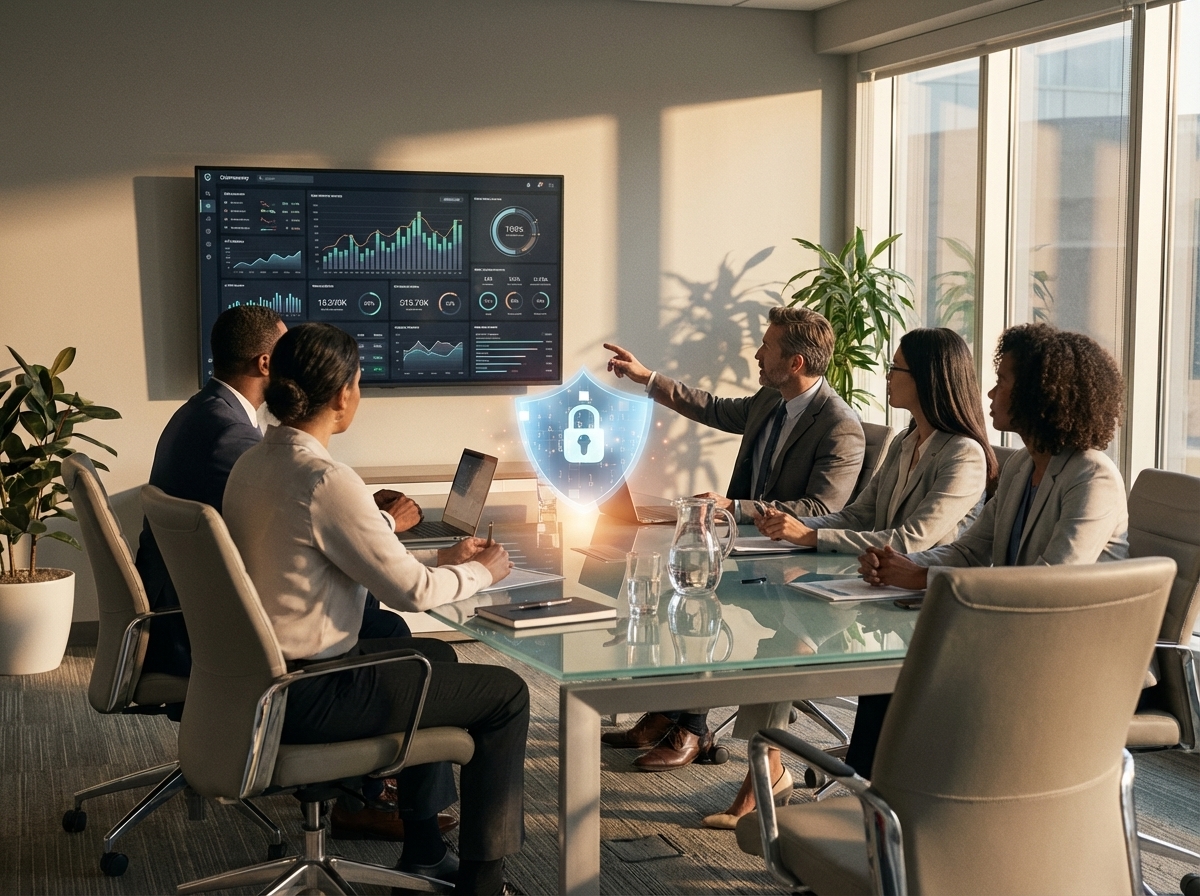
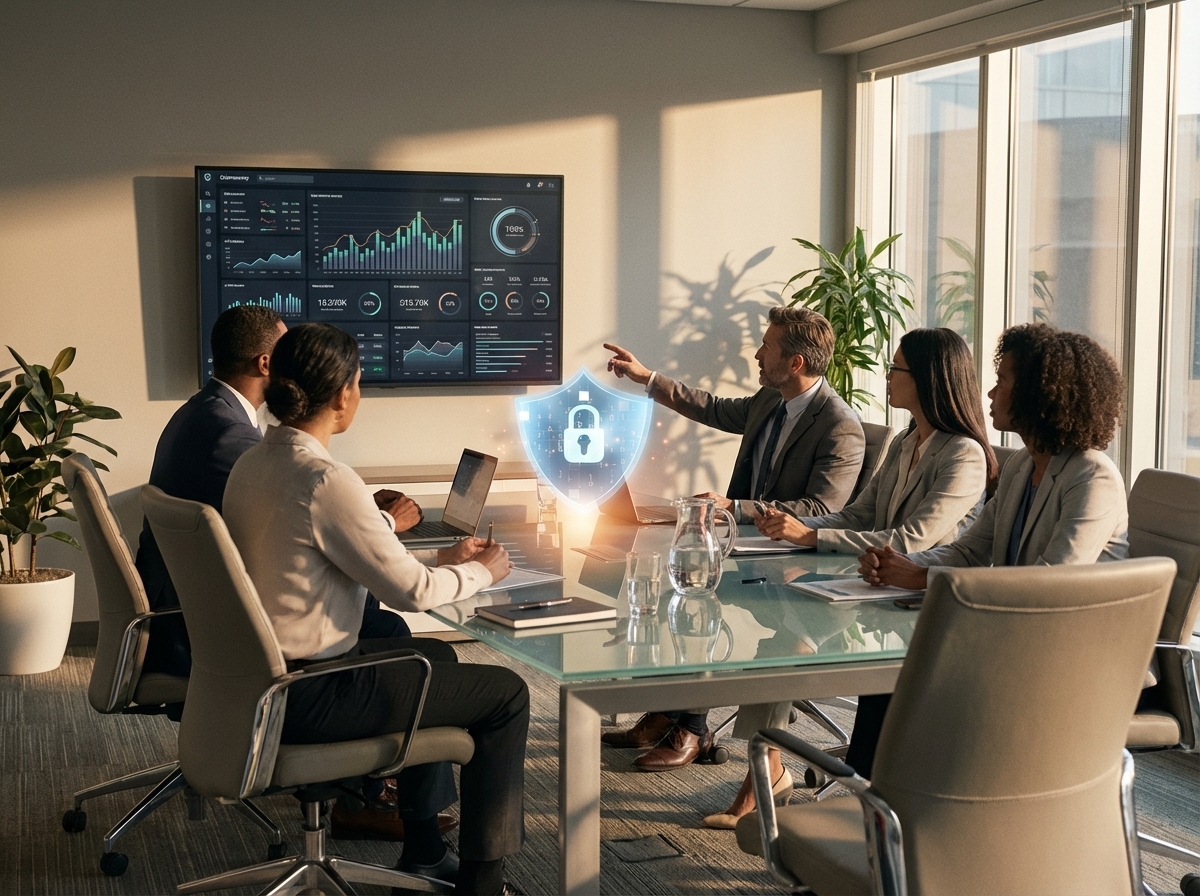
Before diving into the world of outsourcing cybersecurity, it’s crucial to understand the potential risks involved. By identifying these risks early, you can safeguard your business and make informed decisions.
Understanding Security Threats
When outsourcing, you’re entrusting sensitive data to external parties. This opens up potential security threats that might not have been a concern before. Cybercriminals often target third-party vendors, knowing they might not have the same stringent security measures as large corporations. Therefore, it’s essential to conduct a thorough review of a vendor’s security protocols. Ask questions about their data encryption methods, access controls, and incident response plans. Always ensure they align with your own standards. Remember, a single breach can have devastating consequences for your business.
Evaluating Vendor Capabilities
Choosing the right partner means evaluating their capabilities carefully. Not all vendors provide the same level of service or expertise. Look for vendors who have a proven track record and can demonstrate their success with other clients. Check for certifications such as SOC 2 Type II or ISO 27001, which show their commitment to security standards. Ask for references and take the time to talk to their existing clients. Understanding how they handle real-world challenges can provide valuable insights into their reliability.
Balancing Cost and Security
While outsourcing can reduce costs, it’s important not to compromise on security. Cheaper options might save money in the short term, but they can lead to higher costs if a security breach occurs. It’s wise to invest in vendors who offer robust security measures even if their services are slightly more expensive. Quality security is an investment in your organization’s future. Focus on long-term benefits rather than immediate savings.
Due Diligence for IT Support
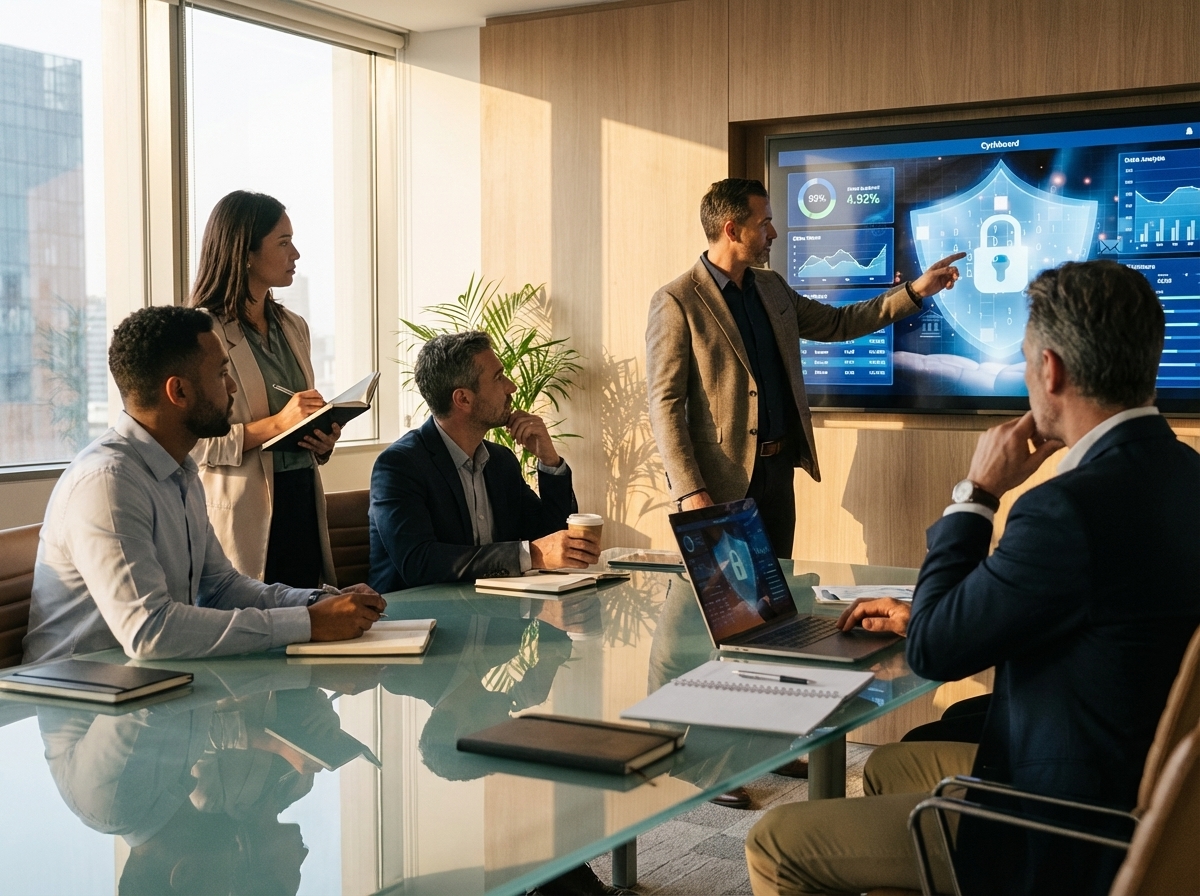
Due diligence is the backbone of successful IT outsourcing. It ensures you choose the right partners, protecting your business from unforeseen issues.
Conducting a Risk Assessment
Start with a comprehensive risk assessment. Identify potential vulnerabilities within your organization and how outsourcing might affect them. Consider factors such as data sensitivity, compliance requirements, and operational disruptions. Use these insights to develop a risk mitigation plan. This proactive approach helps prevent problems before they arise.
Vendor-neutral IT Advisor Benefits
Engaging a vendor-neutral IT advisor can be invaluable. They offer unbiased recommendations, focusing solely on your needs rather than vendor interests. This ensures you receive the best advice tailored to your specific requirements. A vendor-neutral advisor can guide you through complex decisions, helping you navigate the myriad of options available. Their expertise can simplify the process, saving you time and reducing stress.
Crafting SLAs and KPI Metrics
Service Level Agreements (SLAs) and Key Performance Indicators (KPIs) are critical to holding vendors accountable. Clearly define your expectations and ensure they align with your business goals. This might include response times, uptime guarantees, or specific security measures. Regularly review these metrics to ensure compliance. This structure not only protects your business but also sets a clear standard for vendor performance.
SLAs and Compliance Essentials

SLAs and compliance are vital to maintaining the integrity of your IT outsourcing. They ensure your business remains secure and compliant with industry standards.
Essentials of SLA and KPI Metrics
SLAs should outline the services provided, expected performance levels, and consequences of non-compliance. These agreements act as a roadmap for what both parties should expect. KPIs, on the other hand, provide measurable data to track vendor performance. Use these metrics to assess if the vendor is meeting your expectations. Regularly reviewing these metrics allows you to address issues promptly and adjust as needed.
NIST CSF and ISO 27001
Aligning with industry standards like NIST CSF and ISO 27001 is crucial for maintaining a robust security posture. These frameworks provide guidelines for managing and reducing cybersecurity risk. They offer a structured approach to improve security resilience. By adhering to these standards, you demonstrate your commitment to protecting sensitive information, which can enhance trust with clients and stakeholders.
Incorporating Zero Trust Architecture
In today’s environment, incorporating a Zero Trust Architecture is increasingly important. This model operates on the principle of “never trust, always verify.” It requires authentication and authorization for every user and device, regardless of their location. This approach minimizes risk by ensuring that only verified users can access your systems. Implementing Zero Trust can significantly enhance your security posture, reducing the likelihood of unauthorized access.
For further reading on IT outsourcing, explore this article.